
 Josh
JoshIf you’ve moved house, planned a road trip, or even looked into transporting a car recently, you’ve probably noticed something doesn’t quite add up anymore.
The numbers feel… off.
Quotes are higher. Travel costs creep up faster than expected. And even short-distance moves seem to carry a price tag that didn’t exist a few years ago.
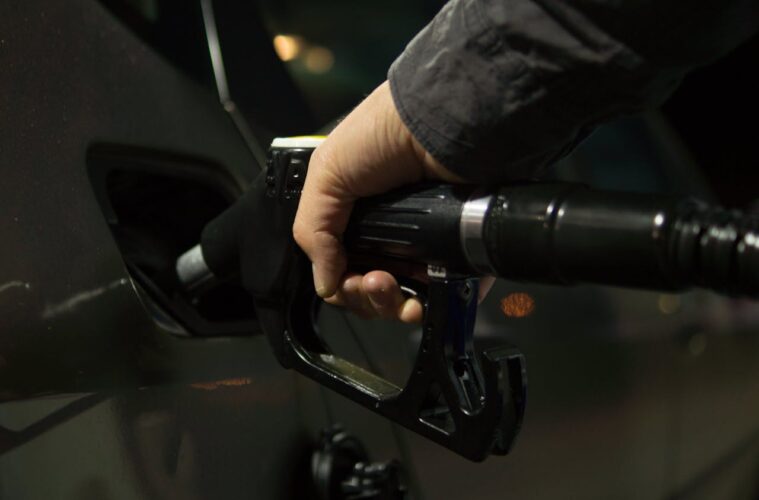
Most people assume it’s just general inflation. But a big part of the story is fuel — and how it flows through almost every part of moving and travel.
Why Fuel Prices Matter More Than You Think
Fuel isn’t just something you pay at the petrol station. It sits behind:
- Booking Removalist trucks
- Freight and logistics
- Car transport carriers
- Even storage and supply chains
So when petrol prices rise, the impact multiplies.
According to the Australian Bureau of Statistics, fuel remains one of the more volatile household costs, and increases in fuel prices tend to flow through into broader transport and service expenses.
In real terms, that’s why:
- Moving house costs more
- Deliveries are more expensive
- Travel budgets stretch further than expected
And right now, with petrol sitting around — and often above — $2.67 per litre across Australia for diesel, those effects are becoming more noticeable.

Where the Extra Costs Show Up
1. Moving House
Removalist pricing is heavily influenced by fuel.
Distance, truck size, and time on the road all factor in — so when fuel rises, quotes follow.
What surprises most people is how quickly costs can escalate, even for relatively short moves.
One of the smartest things you can do now is to compare and book removalists locally on FindaMover, if moving in Gold-Coast look at multiple moving quotes from Gold Coast before committing. Not just to find the cheapest option, but to understand what’s driving the price differences this organically results in a cost-saving between the highest and lowest offers.
2. Transporting a Vehicle
If you’ve ever considered shipping a car instead of driving it yourself, fuel prices play a major role here too.
Long-distance driving used to feel like the cheaper option. That’s not always the case anymore.
In many situations, people are now choosing to arrange vehicle transport instead of driving long distances, especially when fuel, accommodation, and time are factored in together.
3. Travel and Road Trips
Even everyday travel has shifted.
What used to be a spontaneous weekend trip now involves a quick mental calculation:
- Distance
- Fuel consumption
- Total cost
It’s not stopping people from travelling — but it’s changing behaviour.
Shorter trips, longer stays, and more planning are becoming the norm.
Simple Ways to Reduce Moving and Travel Costs
The good news is you’re not stuck with these rising costs. A few small changes can make a noticeable difference plus it’s these situations where if you have kids, is the perfect moment to build a foundation for financial literacy, by saying hey let’s see if we can reduce the cost of our move.
Plan Around Timing
Moving during peak periods (weekends, end-of-month) often costs more.
If you can be flexible, you’ll usually find better rates during quieter periods.
Bundle Decisions Together
Instead of treating everything separately, look at the full picture:
- Move + travel
- Travel + vehicle transport
- Storage + relocation
Some helpful moving platforms like Movingle help plan house and transport moves, and allow you to compare prices, which helps avoid overpaying across multiple services.
Compare Before You Commit
Prices vary more than most people expect — especially right now.
Getting multiple quotes isn’t just about saving money. It helps you:
- Spot inflated pricing
- Understand fuel surcharges
- Make a more informed decision
Rethink “Driving Yourself”
It used to be obvious — driving was cheaper.
But once you factor in:
- Fuel
- Accommodation
- Time off work
That’s not always true anymore.
In some cases, outsourcing parts of the move or trip actually saves money.
The Bigger Shift (That Most People Miss)
What’s really happening here isn’t just rising costs.
It’s a shift in how people approach movement altogether.
Moving, travelling, relocating — these used to feel like routine decisions.
Now they’re becoming:
- More deliberate
- More planned
- More financially considered
And that’s not necessarily a bad thing.
It just means the “set and forget” approach doesn’t work anymore.
Final Thought
If things feel more expensive lately, you’re not imagining it.
Fuel costs are quietly pushing up the price of anything that involves movement — and that includes some of the biggest life decisions, like moving house or travelling interstate.
The key isn’t to stop doing those things.
It’s to approach them differently.
Compare more. Plan better. Look at the full cost — not just the obvious one.
Because right now, the difference between a good decision and an expensive one often comes down to the details most people overlook.