
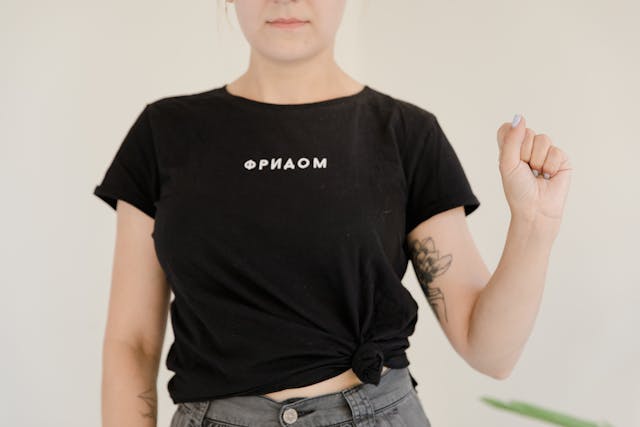
 Josh
JoshFashion trends often feel spontaneous, but behind every comeback is a pattern that makes a lot of financial sense. Styles don’t just return because people suddenly feel nostalgic. They come back because they fit the moment, the budgets, and the way people are spending their money. CherryKitten sits neatly inside that reality, especially with the renewed popularity of baby tees and Y2K-inspired pieces.
Over the past few years, shoppers have become more careful. Rising costs have changed how people build their wardrobes. Instead of chasing expensive statement items, many are opting for affordable pieces that can be worn frequently and styled in various ways. That shift has quietly shaped what brands succeed, and CherryKitten is a good example of how that works in practice.
Why Smaller Fashion Pieces Make Financial Sense
When budgets tighten, consumers don’t usually stop shopping altogether. They become selective. Rather than investing in high-cost outerwear or trend-heavy items, people tend to opt for versatile basics with a personal touch. A well-designed baby tee fits that need perfectly. It’s affordable, easy to style, and doesn’t feel like a risky purchase.
CherryKitten’s approach reflects this mindset. Their designs feel intentional without being overly complex. From a financial perspective, this lowers the barrier to purchase. Shoppers can refresh their look without committing to a full wardrobe overhaul, which aligns with how people are currently managing discretionary spending.
There’s also a lower emotional risk involved. Buying a smaller item feels safer when money feels uncertain. Psychology plays a big role in why simple, expressive pieces tend to perform well during economically cautious periods.
Y2K Fashion and the Value of Familiarity
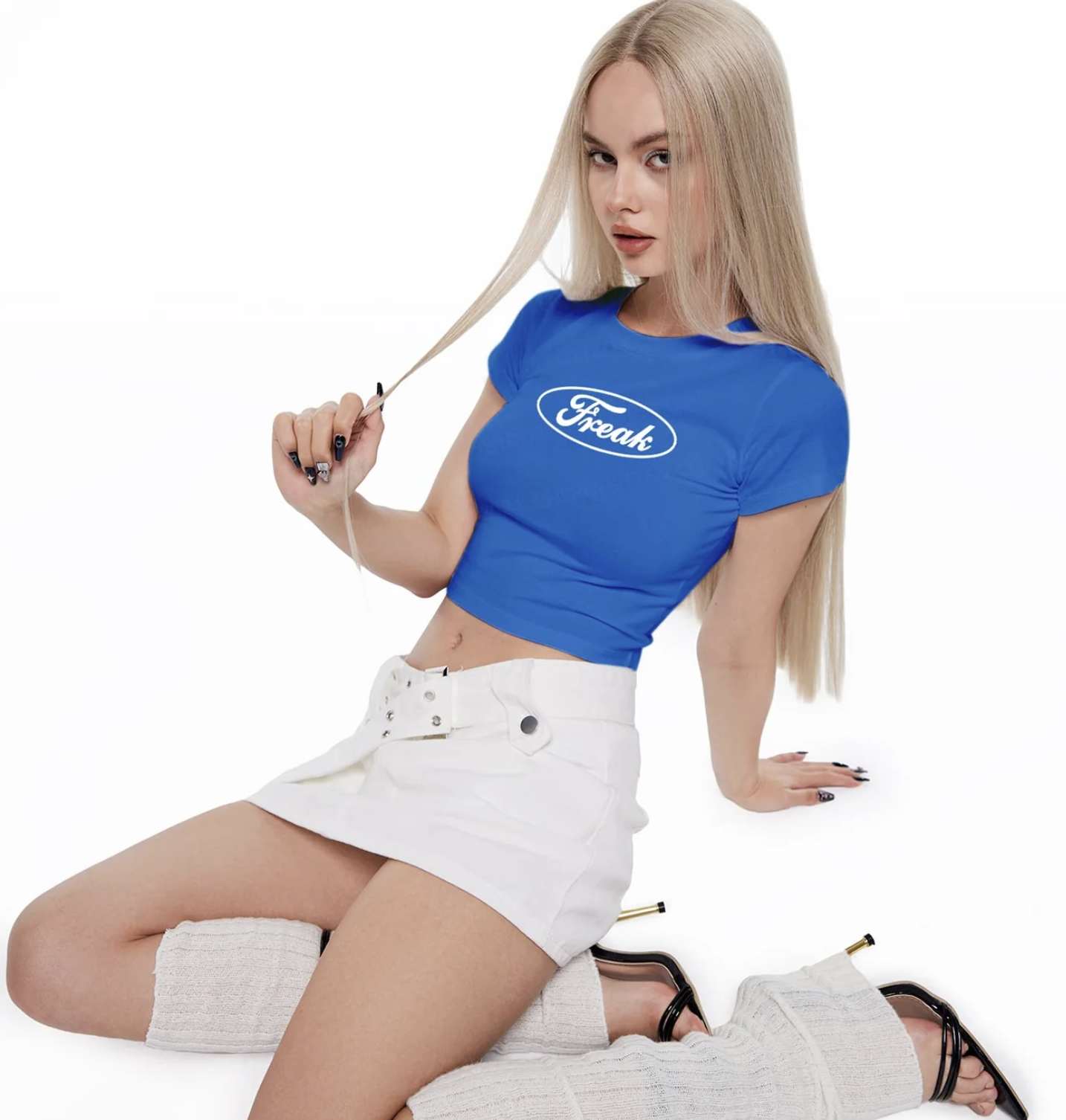
Nostalgia has always been a powerful driver in consumer behavior, especially when economic confidence dips. Familiar styles offer comfort. They remind people of earlier moments that felt simpler or more optimistic. That’s part of why y2k baby tees have found such a strong foothold again.
CherryKitten doesn’t rely on nostalgia alone. The brand modernizes these references just enough to keep them wearable. That balance matters. From a business standpoint, trends that feel familiar but updated tend to last longer than extremes. They don’t burn out as quickly, which benefits both the brand and the consumer.
Longer-lasting trends also mean better perceived value. When shoppers believe they can wear something for more than one season, they feel more justified in spending money on it. That sense of value is critical in a tighter economy.
Fast Fashion Fatigue and Smarter Buying
There’s growing awareness around overconsumption, even among shoppers who still enjoy trend-led fashion. Many people are trying to buy fewer items but make those items count. CherryKitten fits into this shift by offering pieces that feel specific without being disposable.
A well-chosen y2k shirts design can anchor multiple outfits. That versatility stretches the cost over more wears, which is something consumers are thinking about more than ever. Cost-per-wear has quietly become part of everyday fashion decision-making, even if shoppers don’t explicitly label it that way.
Brands that ignore this shift risk losing relevance. CherryKitten benefits from staying within reach price-wise while still offering designs that feel curated rather than generic.
The Role of Identity in Spending Choices
Another financial factor shaping fashion right now is identity-driven spending. People are more likely to spend money on items that reflect who they are, especially when they’re cutting back elsewhere. Clothing becomes a form of personal expression that feels justified, even when budgets are tighter.
CherryKitten’s designs lean into that emotional value. They’re playful, expressive, and self-aware. That makes the purchase feel meaningful rather than impulsive. From a finance perspective, emotional value often outweighs purely functional value when consumers decide where to allocate limited funds.
This is particularly true for younger shoppers, who tend to prioritize individuality over status symbols. They’re less interested in logos and more interested in whether something feels authentic to them.
Why This Model Works Long-Term
CherryKitten’s success isn’t just about following trends. It’s about understanding how people actually spend money during uncertain times. Affordable entry points, versatile designs, and nostalgic appeal all support smarter consumer behavior rather than fighting against it.
Instead of pushing constant novelty, the brand benefits from repetition. Customers can return for variations without feeling like they’re replacing their entire wardrobe. That creates steadier demand and stronger customer loyalty, which is something many fashion brands struggle to achieve.
From a broader finance lens, this approach reflects a shift toward sustainability in spending habits, not just environmentally, but economically as well.
Final Thoughts
CherryKitten shows how fashion and finance intersect more than most people realize. Behind the playful designs and nostalgic references is a clear understanding of how consumers think about value, risk, and identity. In a time when people are spending more carefully, brands that respect that reality are the ones that last.
By offering wearable, expressive pieces that don’t strain budgets, CherryKitten taps into the quieter side of fashion economics. It’s not about hype. It’s about timing, value, and knowing what people are actually willing to spend on.