
 David
DavidAs Mergers Consolidate the Landscape and AI-Powered Innovations Emerge, Analysts Forecast Robust 8.6% CAGR Growth Through 2032
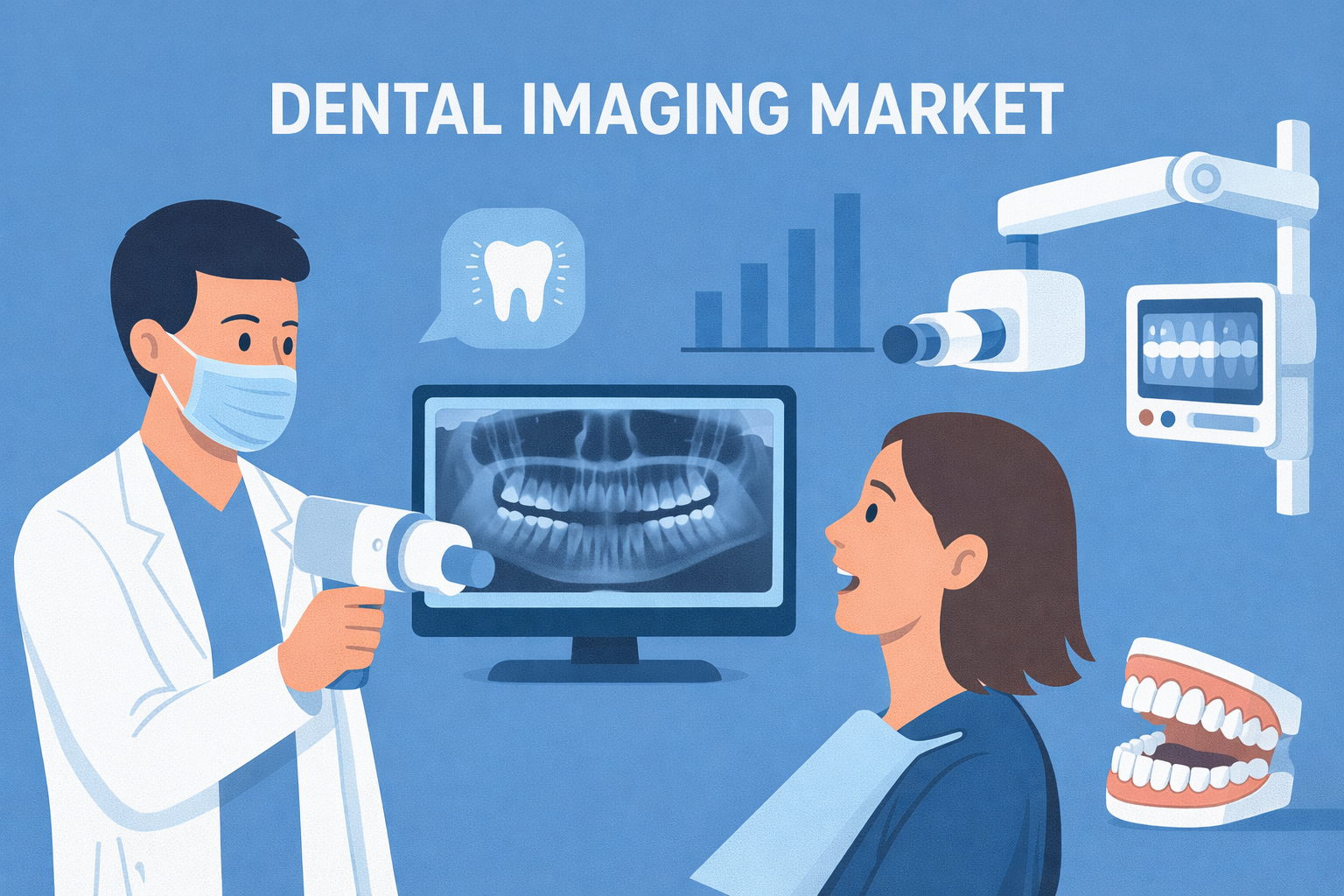
The global dental imaging market, a critical pillar of modern diagnostic dentistry, is undergoing a profound transformation. Driven by technological convergence, strategic industry consolidation, and an unrelenting demand for precision, the sector is poised for significant expansion. According to SNS Insider, The Dental Imaging Market size was valued at USD 4.11 billion in 2023 and is expected to reach USD 8.61 billion by 2032, growing at a CAGR of 8.6% over the forecast period 2024-2032. This trajectory underscores a dynamic period where investment flows, mergers and acquisitions (M&A), and groundbreaking software developments are reshaping competitive dynamics and clinical capabilities.
The Core Drivers: Beyond Traditional X-Rays
The move from analog 2D imaging to advanced digital 3D and cone-beam computed tomography (CBCT) systems remains a primary growth engine. Digital sensors, panoramic units, and intraoral scanners are becoming standard in new practices, prized for their reduced radiation dose, instant image availability, and superior diagnostic detail. However, the current wave of innovation is increasingly software-centric, focusing on artificial intelligence (AI), cloud-based data management, and integrated practice solutions.
AI algorithms are now capable of automating cephalometric analyses, detecting caries and periodontal bone loss with high accuracy, and even assisting in implant planning. This not only improves diagnostic consistency but also enhances workflow efficiency, allowing dental professionals to focus more on patient care. The integration of imaging data with CAD/CAM systems for same-day restorations further solidifies the role of imaging as the digital cornerstone of the dental practice.
Investment and M&A: Reshaping the Competitive Arena
The attractive growth metrics have made the dental imaging space a hotbed for strategic financial activity. Private equity firms are actively investing in mid-sized dental technology companies, providing capital for innovation and expansion. Simultaneously, the market’s top players are engaged in a strategic chess game of mergers and acquisitions, aiming to build comprehensive, end-to-end digital ecosystems.
Recent years have witnessed landmark deals. Industry giants like Dentsply Sirona, Envista Holdings (owner of Nobel Biocare and Ormco), and Align Technology have been strategic acquirers, snapping up smaller firms specializing in imaging software, AI diagnostics, or specific hardware components. For instance, the acquisition of smaller AI imaging startups by larger equipment manufacturers has become a common pathway to rapidly embed advanced analytics into existing product lines.
The goal is clear: to offer a seamless suite of products—from image capture and diagnosis to treatment planning and execution. This vertical integration creates significant competitive moats and increases customer retention. For dental practices, this consolidation can mean dealing with fewer vendors but also raises questions about market competition and pricing.
Top Players and Strategic Moves
The competitive landscape features a mix of diversified healthcare conglomerates and specialized dental companies. Planmeca, Carestream Dental, and VATECH stand as pure-play giants with deep expertise in imaging hardware. Meanwhile, Dentsply Sirona and Envista leverage their broad portfolios to offer imaging as part of a total solution. Align Technology, though famed for Invisalign, has made significant inroads with its iTero intraoral scanners, positioning imaging as a gateway to its clear aligner ecosystem.
These top players are not just selling devices; they are selling subscriptions to software platforms, cloud storage, and AI-powered diagnostic services. This shift toward a recurring revenue model provides more predictable financial performance and deepens client relationships. It also represents a significant area of investment, as companies race to develop the most intuitive and powerful software interfaces.
New “Drugs” in Imaging: The Software Revolution
If one were to identify the equivalent of “new drug developments” in this hardware-centric field, it would be the innovative software applications that unlock new value from imaging data. Advanced visualization software now allows for virtual implant placement with sub-millimeter accuracy, virtual orthodontic treatment simulations, and dynamic 3D visualization of complex anatomical structures. These tools are becoming indispensable for procedures involving dental implants, orthognathic surgery, and endodontics.
Furthermore, the emergence of augmented reality (AR) and virtual reality (VR) applications, which overlay imaging data onto the real-world surgical field or create immersive planning environments, represents the next frontier. While still in relative infancy, these technologies promise to further enhance surgical precision and patient understanding.
Regional Dynamics and Future Outlook
North America currently holds the largest market share, fueled by high healthcare expenditure, rapid technological adoption, and a strong presence of key market players. However, the Asia-Pacific region is projected to witness the highest CAGR during the forecast period. Factors such as rising dental tourism, growing medical infrastructure, increasing disposable income, and a burgeoning patient pool are accelerating demand in countries like China, India, and South Korea.
Challenges remain, including the high capital cost of advanced imaging systems, especially for small and solo dental practices, and varying reimbursement landscapes globally. However, the trend toward affordable, compact CBCT units and the proliferation of pay-per-scan or leasing models are helping to broaden access.
Conclusion
The dental imaging market’s journey to $8.61 billion is more than a story of financial growth; it is a narrative of technological democratization and clinical empowerment. The interplay between aggressive M&A activity, targeted investment in AI and software, and the strategic moves by top players is creating a more integrated, intelligent, and efficient future for dental diagnostics. As digital workflows become ubiquitous, the dental imaging suite is evolving from a simple diagnostic tool into the central nervous system of the modern dental practice, driving better patient outcomes and shaping the future of oral healthcare. The next decade will undoubtedly see the lines between imaging, planning, and treatment continue to blur, solidifying this market’s role as a cornerstone of dental innovation.