

 Josh
JoshA lot of experienced people still skip the training layer.
That sounds surprising, especially in fields where risk sits at the center of every decision. Yet it happens all the time. People study mechanics, they read strategy threads, they watch markets or game lobbies, and then they move straight into real exposure.
That jump creates avoidable mistakes.
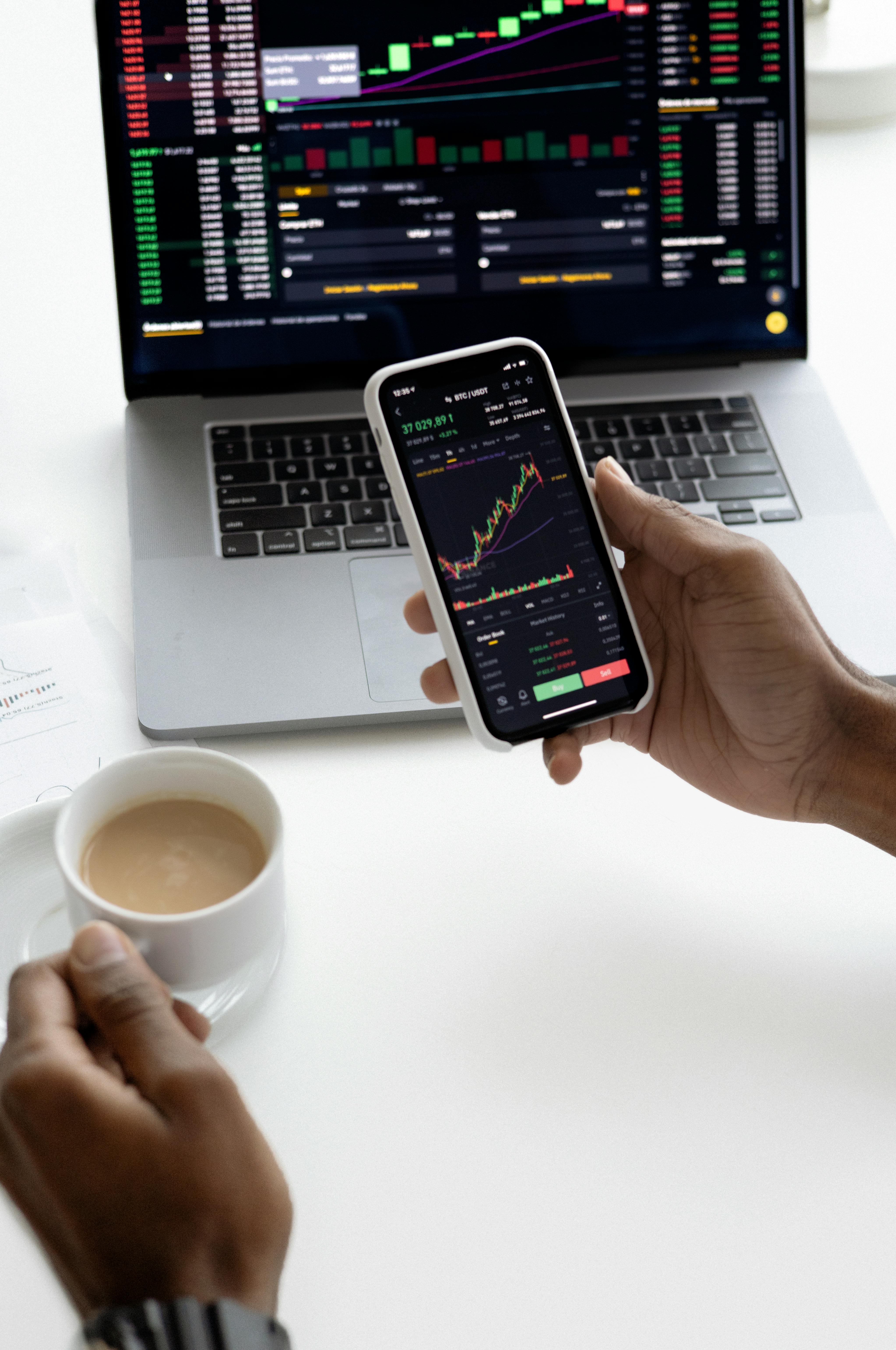
Practice modes in online games offer a useful reminder here. Free-play environments let users test mechanics, pace, and decision flow before any real-money session begins. The same logic shows up in investing simulators, paper-trading platforms, and financial planning tools. The core value is the same. Simulation creates a space to learn behavior under pressure and refine the process before capital enters the picture.
For experienced readers, this topic matters because simulation is not only for beginners. It is one of the cleanest ways to test assumptions, stress decision rules, and sharpen execution discipline.
Platform Quality Shapes the Learning Value
A practice mode is only as useful as the platform behind it.
This is where many discussions become too abstract. Simulation works when the environment is stable, clear, and close enough to the live experience to teach something transferable. If the interface is clumsy, game logic feels inconsistent, or navigation breaks concentration, the user learns the wrong lessons. The same problem exists in investing simulators that use delayed pricing, weak charting, or poor execution modeling.
High-quality online gaming platforms matter for the same reason high-quality trading tools matter. They reduce noise and improve the signal. That makes it easier to focus on decisions instead of platform friction.
When users explore online casino games on a reputable platform such as Betway, they gain access to a polished game environment and consistent usability, which makes practice sessions more useful for learning game mechanics and session management.
That point fits the larger simulator argument. Practice only helps when the training ground reflects reality in the ways that matter.
Simulation Teaches Process, Which Is What Protects Capital
Most people say they want better results.
Experienced operators usually want something else first. They want a better process. Results follow later.
Practice modes help because they isolate the process. In a free-play setting, there is no immediate capital consequence, so the user can pay closer attention to sequence and structure. Which decisions happen too fast. Which ones happen without enough context. Which triggers are reliable. Which habits appear only after a few rounds.
The same is true in investing simulators. A paper-trading session can expose weak entries, poor timing, and inconsistent sizing logic. It can also show a common problem that many experienced participants already suspect in themselves: strategy drift. A person starts with one rule set and quietly abandons it after a few losses or a few wins.
Simulation makes that visible.
This is why serious practice sessions should have a defined purpose. Random free play teaches familiarity, which has value. Structured simulation teaches decision quality, which has more value.
Useful focus points in both online gaming demo modes and investing simulators include:
- Entry discipline and whether actions follow pre-set criteria
- Session pacing and whether decisions degrade after fatigue builds
That kind of review creates a bridge between knowledge and repeatable execution.
The Real Lesson Is Behavioral, Not Technical
The surface lesson in a practice mode is mechanical. Learn the game. Learn the interface. Learn the options.
The deeper lesson is behavioral.
In online gaming demo modes, users can observe how quickly they increase pace after a winning run or how easily they abandon limits when a session becomes more stimulating. In investing simulators, similar patterns show up as revenge trades, overtrading, or impulsive changes to position logic. Different environments, same human pattern.
This is why simulations remain relevant even for advanced users. Experience improves technical understanding, but behavior still slips under pressure. A simulator gives a cleaner mirror because the user can pause and inspect decisions without the emotional weight of real capital.
That mirror becomes more useful when the review is specific. General reflection helps, but targeted review changes habits faster. For example:
- Mark the exact point where the plan changed, then identify the trigger
- Compare intended pacing with actual pacing across the session
These are simple checks, but they surface hidden inconsistencies. That is where most edge erosion begins.
Demo Modes and Paper Trading Both Fail When Used as Entertainment
Simulation has one major trap. It can turn into low-stakes entertainment.
Once that happens, the learning value drops fast.
In online gaming practice modes, this usually appears as endless spinning or casual testing with no objective. In investing simulators, it appears as random entries taken for stimulation, often with no review and no defined setup. Both activities can feel productive because they involve screens, action, and familiar tools. They still produce weak training outcomes.
The fix is not complicated. Simulation needs constraints.
Experienced users often get better results when they treat practice sessions like lab work. Limit the session length. Define one variable to test. Record observations immediately. Then stop. This keeps practice aligned with transfer, which is the only reason to use simulation in the first place.
A useful question can reset the session when drift begins: What exactly is being tested right now?
If the answer is vague, the session has likely moved away from training and into stimulation.