
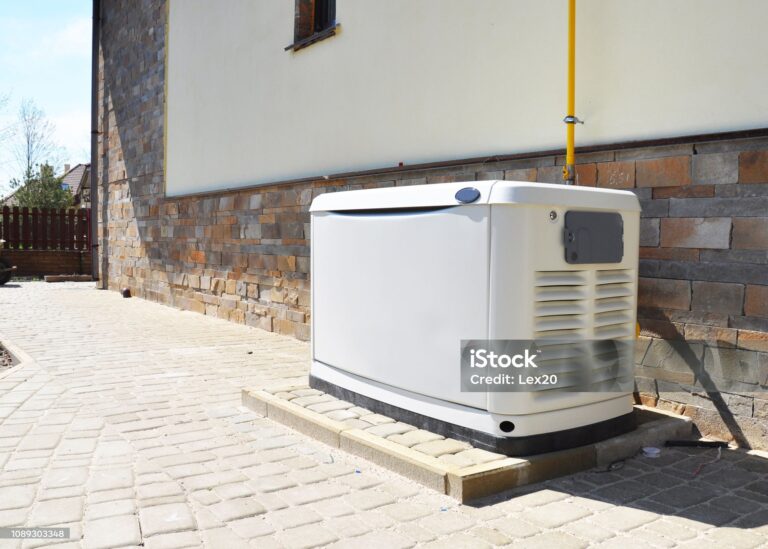

A home generator is worth the cost when a power outage would cost you more than the system costs to install and maintain. Spoiled food, a flooded basement, frozen pipes, and lost work days all count toward that math.
Professional generator installation is one of the larger home upgrades most owners will consider. Like any major purchase, it deserves the same scrutiny you would give a new roof or a car loan. This guide weighs the upfront cost against what you stand to save and shows how to pay for it without derailing your finances.
Key Points
- A home generator pays off when the cost of an outage outweighs the cost of installing and maintaining it.
- Portable generators cost far less up front but need manual setup and must run outdoors.
- Standby generators start automatically within seconds of an outage, even when no one is home.
- A standby unit can appeal to buyers, but it rarely returns its full cost at resale.
- Saving in advance or choosing fixed-payment financing keeps the purchase from straining your budget.
What Does Home Generator Installation Include?
A home generator installation covers much more than the generator itself. A complete job usually includes these line items:
- The generator, sized to the circuits or appliances you want to power
- A transfer switch, which connects the generator to your home’s wiring and keeps power from feeding back into utility lines
- Electrical work to tie everything into your panel
- A fuel connection for natural gas, propane, or diesel
- A mounting pad for standby units
- Permits and inspections required by your local building department
Portable generators generally cost a few hundred dollars to a couple thousand. Standby systems typically run into the thousands, and whole-house setups can climb well beyond that once labor and materials are included. Ask every installer for an itemized quote so you can see where the money goes.
What Does a Power Outage Really Cost You?
A power outage costs more than most homeowners expect because the expenses are scattered across the house. Compare that total to the price of a home generator to judge whether it is worth it. A multi-day outage can bring:
- Spoiled food: The refrigerator and freezer warm up, and groceries go in the trash.
- Hotel and restaurant bills: You pay to stay and eat elsewhere while the house is unlivable.
- Lost income: Remote workers lose internet and charging, and with them, work hours.
- Basement flooding: The sump pump stops without power, and groundwater can rise into the basement.
- Burst pipes: With the heat off in winter, water inside pipes can freeze, expand, and split them.
- Damaged electronics: Surges when service returns can harm sensitive devices.
One flooded basement or burst pipe can cost more to repair than a mid-range generator. If your area sees frequent storms, harsh winters, or an aging power grid, those risks add up over the years you own the home.
Portable vs. Standby: Which Home Generator Makes Financial Sense?
A portable generator is the budget choice, and a standby generator is the hands-off choice. The right fit depends on how often you lose power, how long outages last, and what you need to keep running.
| Portable generator | Standby generator | |
| Upfront cost | A few hundred dollars to a couple thousand | Typically several thousand or more, installed |
| How it starts | You set it up and start it by hand | Turns on by itself within seconds of an outage |
| Fuel | You store and refresh fuel | Connects to natural gas or propane |
| What it powers | A refrigerator, a few lights, phone chargers | Selected circuits up to the whole house |
| Best for | Occasional, short outages on a tight budget | Sump pumps, medical equipment, frequent travelers |
A portable generator must run outdoors, well away from windows and doors. The Consumer Product Safety Commission warns that generator exhaust carries carbon monoxide, which you cannot see or smell. A standby generator removes that setup risk because a professional installs it in a fixed, safe location outside the home.
What Ongoing Costs Come With a Home Generator?
A home generator is not a one-time expense. Build these costs into your monthly or annual budget:
- Routine maintenance, such as oil changes, filter replacements, and battery checks
- Fuel, especially during long outages
- Annual service visits, which many manufacturers require to keep the warranty valid
- Repairs once the warranty period ends
A small monthly deposit into a dedicated maintenance fund keeps these costs from catching you off guard.
Does a Home Generator Add Value to Your House?
A permanently installed standby generator can attract buyers, especially in areas known for storms or long outages. The unit signals that the home is prepared and well maintained.
Do not expect a dollar-for-dollar return at resale. Treat any boost in value as a bonus rather than the main reason to buy. Portable generators leave with you and add nothing to the sale price.
How Can You Pay for a Home Generator Without Straining Your Budget?
The smartest way to pay for a home generator is the method that avoids high interest and fits your long-term plan.
- Save in advance. A dedicated savings fund lets you pay cash and skip interest entirely.
- Read promotional financing terms. Some zero-interest offers charge deferred interest on the full balance if you miss the payoff date.
- Consider a personal loan for fixed payments and a clear payoff date.
- Use home equity with caution. A home equity loan or line of credit may carry a lower rate, but your house becomes the collateral.
- Avoid high-interest credit cards unless you can clear the balance quickly.
- Buy before storm season. Shopping ahead of a major outage usually means shorter waits and more time to compare quotes.
What Should You Ask an Installer Before You Sign?
A qualified installer answers these five questions clearly:
- Are you licensed and insured for electrical work in this area?
- Will you pull the required permits and arrange inspections?
- How did you size the generator for my home’s electrical load?
- Is the quote itemized, including the transfer switch and fuel line?
- What warranty covers the equipment and the installation labor?
Vague answers or a quote without details are red flags.
Frequently Asked Questions About Home Generators
How fast does a standby home generator turn on during an outage?
A standby home generator turns on by itself within seconds of a power outage. A transfer switch senses the loss of utility power, starts the generator, and shifts your circuits over. The system works whether you are home, asleep, or away, which protects sump pumps and heating while no one is watching.
Do you need a permit to install a home generator?
Most home generator installations need permits and inspections from your local building department. The electrical tie-in, the transfer switch, and the fuel connection all affect safety. A licensed installer should pull the permits and arrange inspections as part of the job, so ask about it before you sign.
Can you run a portable generator in the garage?
No. A portable generator should never run inside a home, garage, basement, crawlspace, or shed, even with the door open. Generator exhaust contains carbon monoxide, which you cannot see or smell. Place the unit outdoors and well away from windows, doors, and vents.
Does a home generator lower your homeowners insurance?
A home generator may or may not lower your premium, depending on your insurer. Some insurance companies view backup power as a risk reducer because it helps prevent frozen pipes and basement flooding. Call your provider before you buy and ask whether a standby generator changes your rate.
So, Is a Home Generator Worth It for You?
A home generator is worth the cost when the price of going without power outweighs what you will spend to install and maintain it. Start by estimating your real outage risk, choose the type that matches your needs, and pick a payment method that fits your financial plan.
Your next step: request itemized quotes from at least two licensed electricians who will assess your electrical load, pull permits, and install the system safely. Compare those quotes against your outage math, and you will know whether the purchase pays off.